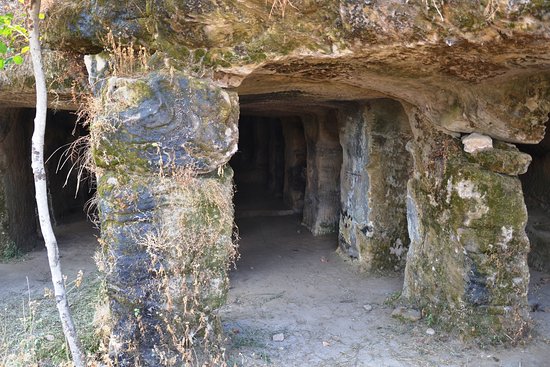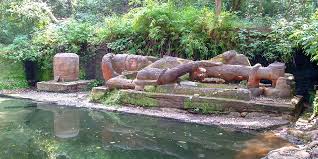
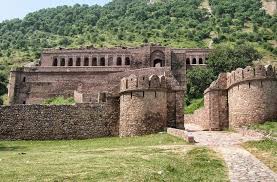
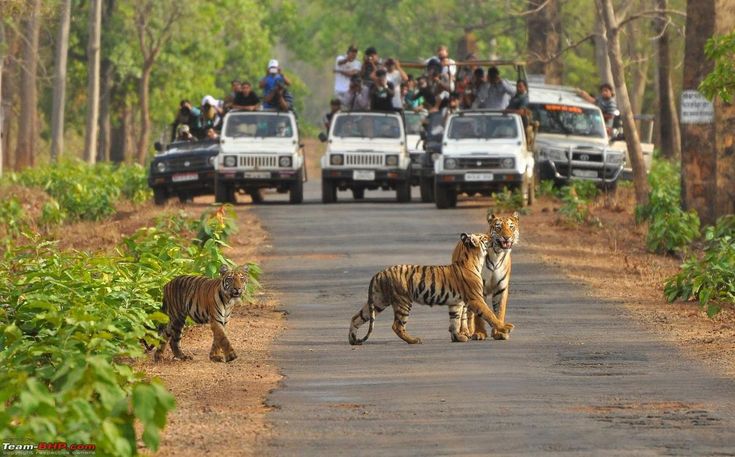
Bandhavgarh Tiger Reserve, located in the Umaria district of Madhya Pradesh, holds a rich and ancient history that stretches far beyond its modern identity as a premier wildlife destination. The region derives its name from the iconic Bandhavgarh Fort, which is believed to be over 2,000 years old. According to Hindu mythology, the fort was gifted by Lord Rama to his younger brother Lakshmana, making it a site of deep cultural and religious significance. Archaeological findings, including inscriptions, ancient caves, man-made reservoirs, and sculptures of Hindu deities, indicate that Bandhavgarh has been continuously inhabited since ancient times and was a thriving center during several dynasties.
During the medieval period, Bandhavgarh became a stronghold of the Baghel Dynasty, who ruled much of Central India. The kings used this region as their private hunting grounds, and wildlife abundance was recorded even in early royal documents. By the late 19th and early 20th centuries, the area suffered from extensive hunting, drastically reducing populations of tigers and other large mammals. The decline continued until 1968, when Bandhavgarh was officially declared a National Park to protect its fragile ecosystem and restore its wildlife heritage.
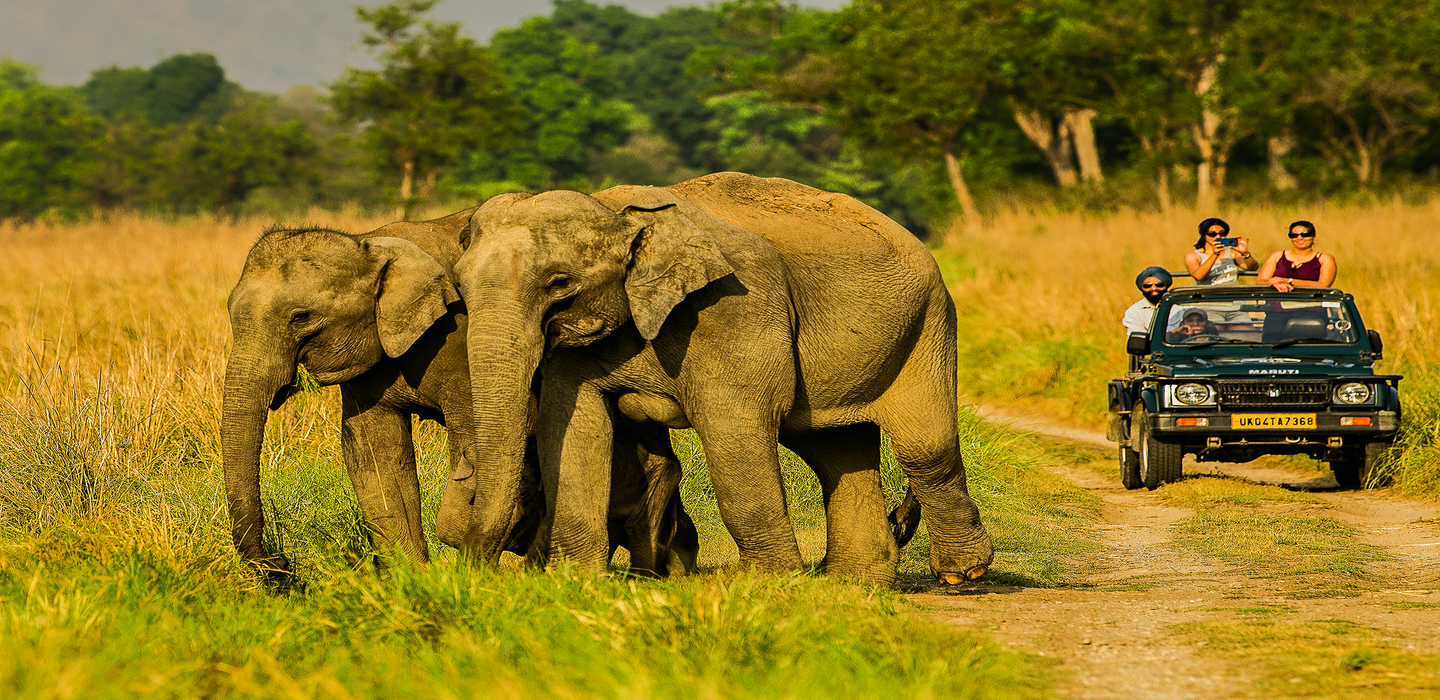
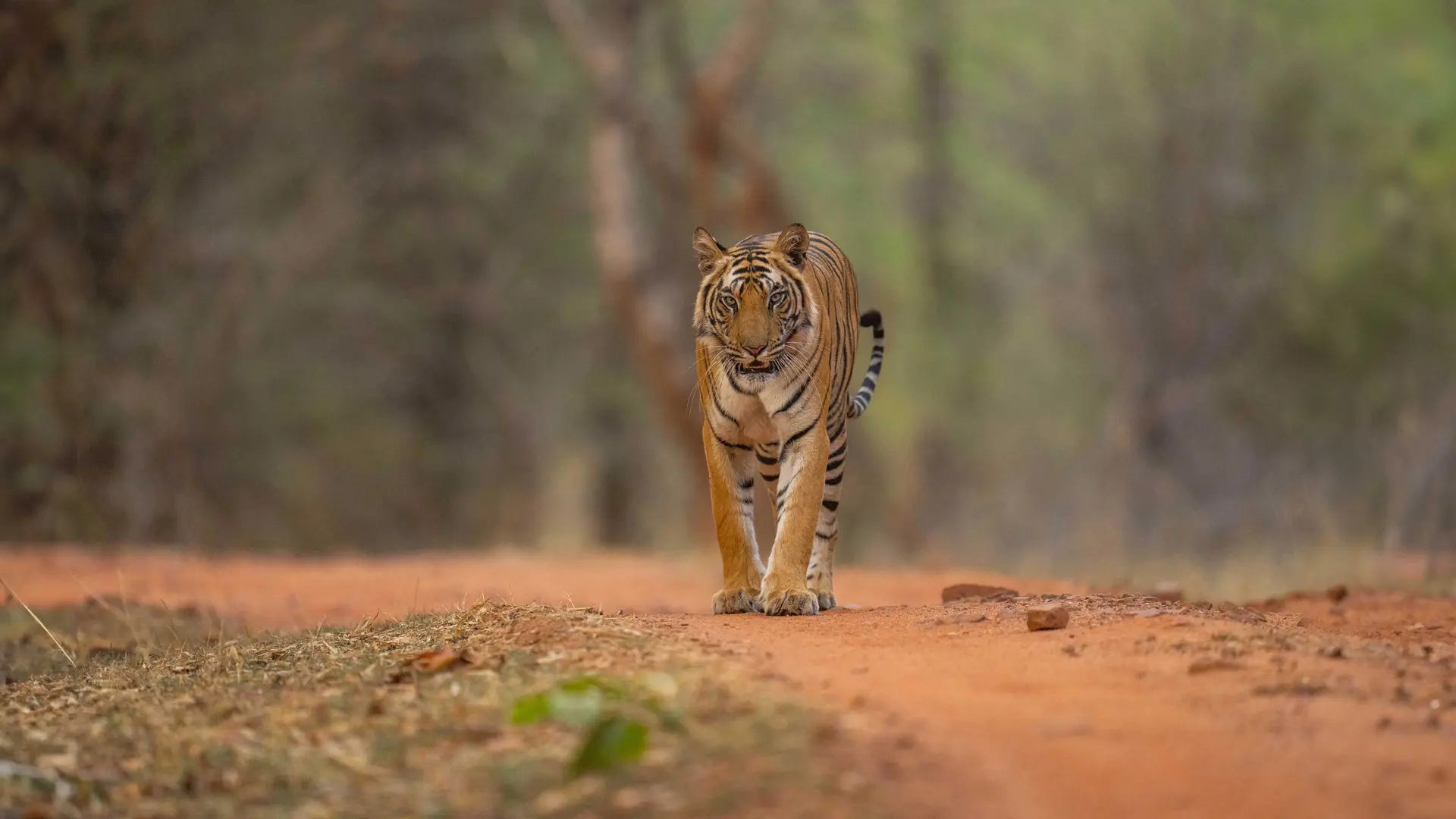
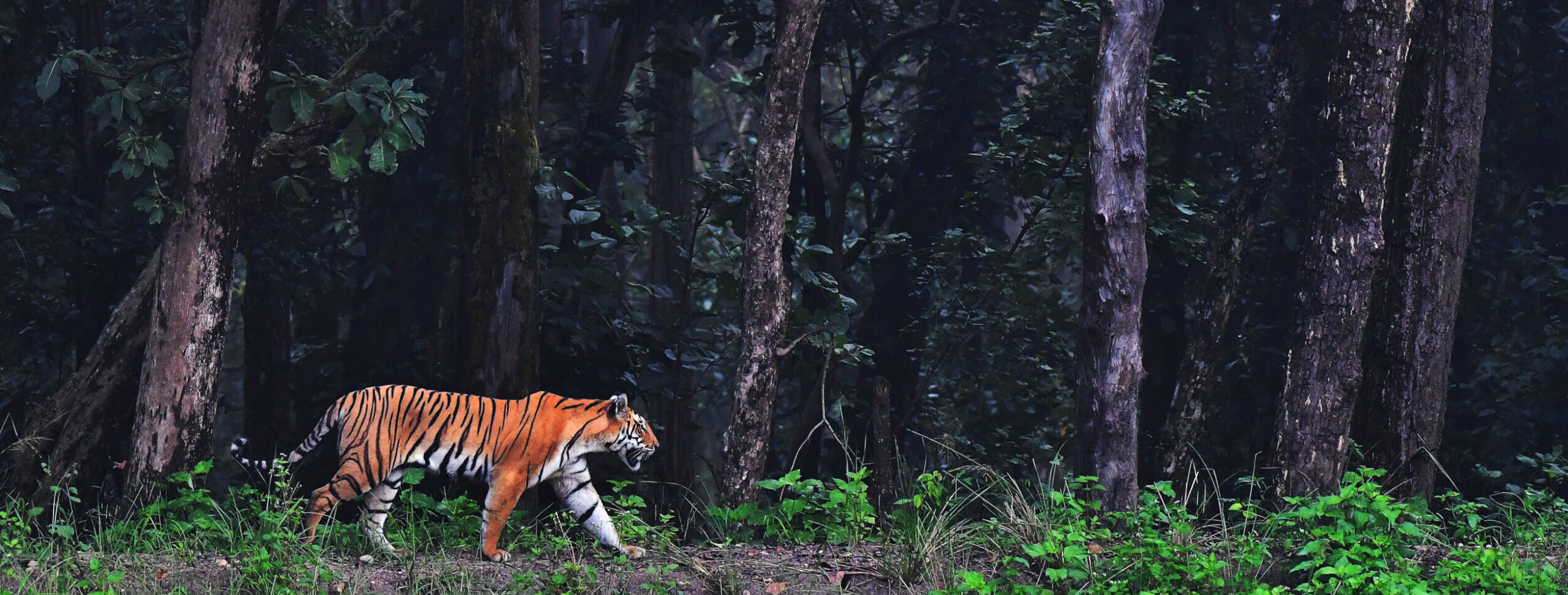
A major turning point came in 1993, when Bandhavgarh was included under Project Tiger, elevating its conservation importance. Intensive protection measures, habitat recovery programs, and relocation of villages from core areas helped revive the landscape. Over the next few decades, Bandhavgarh emerged as one of India’s leading tiger habitats, known for having one of the highest tiger densities in the world. Legendary tigers like Charger, Sita, B2, and Spotty became symbols of the park’s successful conservation story. Today, Bandhavgarh Tiger Reserve stands not only as a sanctuary for wildlife but also as a living museum of ancient Indian history, blending natural beauty with cultural legacy in a truly unique way.